The energy sector faces a critical shift as project developers prioritize higher energy density to meet aggressive grid-side capacity targets. Moving toward 5MWh+ single containers marks a technical leap, allowing for greater power throughput within the same physical footprint. This evolution directly addresses the spatial and logistical constraints that have historically hampered massive installations. By condensing more capacity into a unified enclosure, engineers can achieve improved site efficiency and reduce the overall complexity of interconnection.
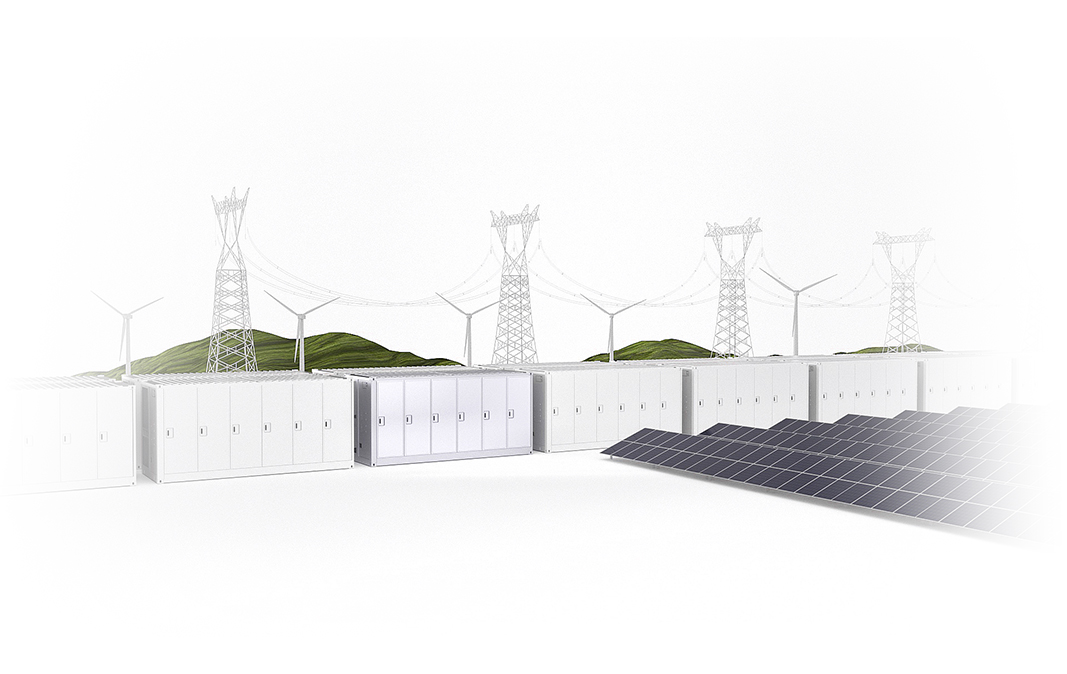
Optimizing energy storage requires balancing thermal performance with high-density cell architecture. As individual units scale up, the design focus shifts toward intelligent management of heat and electrical output. They provide solutions that maximize output per square meter, ensuring that each installation delivers reliable performance for utility-scale applications. This transition to high-capacity storage modules represents a practical response to the growing necessity for flexible, dense, and rapid-deployment energy assets across global grids.
Engineering Advantages of the 5MWh+ Architecture
Higher density in a single container offers significant benefits for utility-scale deployment. By integrating more capacity into a standard 20-foot or similar enclosure, developers reduce the total number of physical units required to reach a target megawatt-hour count. This consolidation streamlines the balance-of-system requirements, meaning fewer foundation pads, shorter electrical runs, and reduced cabling. Such structural efficiency decreases the total cost of ownership while maintaining high performance during peak load cycles.
The shift toward these high-capacity units necessitates advanced thermal management systems. Managing the heat generated by denser battery stacks requires precise liquid cooling to ensure longevity and safety. Advanced engineering ensures that even at higher densities, the system maintains a stable operating environment. This level of technical oversight allows for consistent charge and discharge rates, which are essential for grid stabilization. By refining the internal layout, manufacturers ensure that high-density configurations do not compromise the integrity of the battery modules.
Logistics and Deployment for 5MWh+ Units
Transportation remains a major consideration when implementing high-density storage solutions. Moving units that exceed standard thresholds requires careful planning regarding weight distribution and structural support during transit. Engineering teams must evaluate road, rail, and sea logistics to ensure that heavy-duty containers arrive at the site without mechanical stress. Coordinating these logistics early in the project lifecycle prevents delays and ensures that high-capacity hardware can be delivered to even the most constrained infrastructure locations.
They utilize smart manufacturing to ensure that each unit is pre-assembled and rigorously tested before leaving the factory. This pre-commissioned approach simplifies the final on-site installation, reducing the need for extensive field wiring or assembly. By providing a container that arrives largely ready for connection, the deployment process is significantly faster. This efficiency is critical for projects operating on tight timelines, as it minimizes labor requirements and allows for more predictable integration into the local grid.
Safety Protocols and Operational Resilience
Safety in high-density storage is built upon multi-layer protection and intelligent monitoring. Modern systems utilize sophisticated battery management systems to track the health of every cell in real-time. By implementing redundant fire suppression and integrated cooling, these 5MWh+ units ensure that operational risks are minimized. These systems are designed to detect anomalies before they propagate, maintaining the safety of the entire energy site while providing stable, long-term power delivery to the network.
The hyperblock iii exemplifies this commitment to safety through its integrated design, which incorporates fire protection and structural stability. Such systems enable grid operators to manage renewable energy variability with confidence. When a hyperblock iii is deployed, it provides a robust, fail-safe environment for high-density lithium-ion chemistries. By focusing on safety at the design level, manufacturers create a product that is resilient to environmental factors and reliable for the rigorous demands of grid-side service.
Future Perspectives on Scalable Energy Infrastructure
As the demand for cleaner energy storage grows, the ability to scale capacity becomes the primary indicator of a successful project. The hyperblock iii serves as a core component for future-proofing grid infrastructure, allowing developers to expand their footprint with minimal site disruption. By building with dense, modular units, infrastructure partners can increase their storage capacity in stages as energy requirements evolve. This modular path ensures that investments remain productive and adaptable to changing regional electricity needs.
Integrating these high-capacity units into existing power networks is a strategic move for any grid management entity. The industry is moving away from smaller, fragmented units toward consolidated, high-density power blocks that require less site management. By prioritizing efficiency and ease of integration, they help global projects reach carbon neutrality goals. This technical transition is not just about raw capacity; it is about creating a smarter, more efficient way to store energy that supports the stability of the modern electrical grid.
The industry trajectory toward 5MWh+ containers represents a mature approach to large-scale infrastructure. By reducing the physical and logistical footprints of utility projects, developers can achieve faster deployment and better grid efficiency. The combination of advanced cooling, high-density cell integration, and simplified installation protocols provides a framework for future energy growth. As these systems continue to improve, they will provide the necessary support for the global energy transition, ensuring a reliable and sustainable power supply for decades.